
Endodontics
Call (201) 768-3513 to arrange a root canal evaluation at our Closter, New Jersey office.
Keeping your own tooth is almost always the better outcome.
Endodontics is the care of the pulp inside a tooth. The pulp is the soft tissue holding the blood vessels, nerves and connective tissue, and it runs from the pulp chamber beneath the crown down through the root canal to the tip of the root in the jaw. Dov Hook DMD is the specialist in endodontics at Danbe Dental. He completed a two year Advanced Education Program in Endodontics at the University of Medicine and Dentistry of New Jersey and performs all aspects of root canal therapy, including routine and complex root canals, retreatments and endodontic surgery.
Pulp is removed when it is diseased or injured and can no longer repair itself. The most common causes are a deep cavity, a crack, or a traumatic injury to the tooth, each of which lets bacteria reach the pulp. Left in place, the tissues surrounding the root can become infected and an abscess can form, with pain and swelling. Even where there is no pain, substances released by bacteria can damage the bone that anchors the tooth in the jaw, and without treatment the tooth may have to be removed. Root canal treatment can often be completed in just one visit at Danbe Dental.
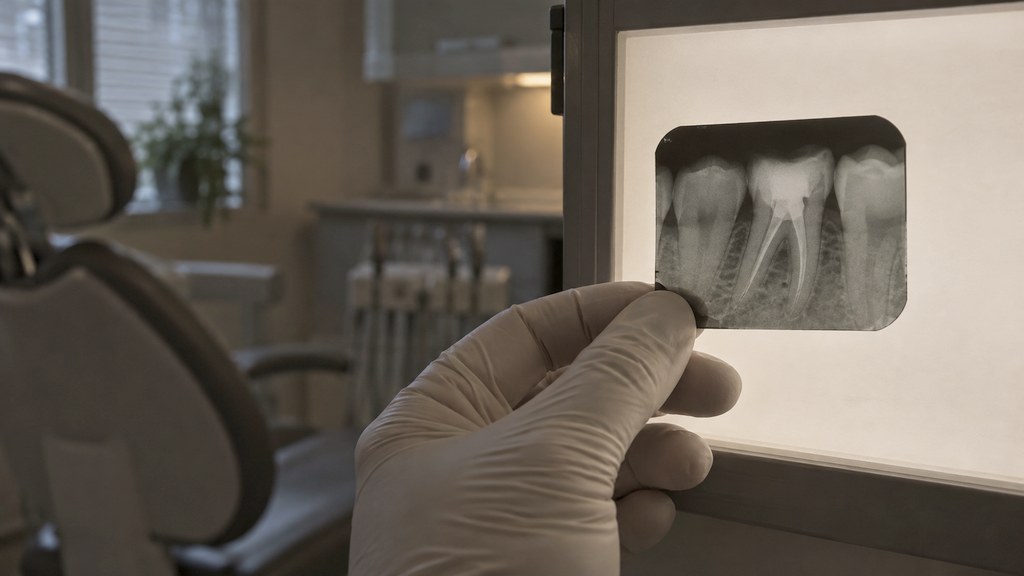
Diagnosis and comfort
Treatment starts with an examination and an x-ray, which show which tooth is involved and how its canals are arranged. Teeth have only one pulp chamber but may have more than one root and several root canals, and knowing that in advance is half the work.
Local anesthesia is given first so that you are comfortable throughout. An opening is then made through the crown of the tooth into the pulp chamber.
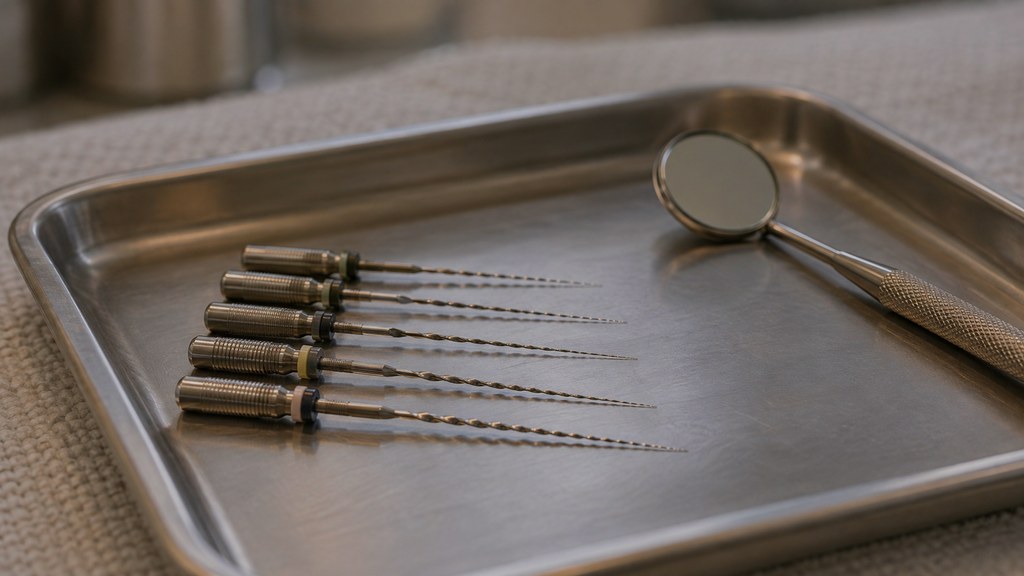
Cleaning and shaping
The pulp and its remnants are removed carefully from the pulp chamber and from each root canal. The canals are then cleaned and shaped to a form that can be filled, and medication may be placed in the chamber and canals to help eliminate bacteria.
A temporary filling is placed in the opening to keep saliva out of the chamber and canals, and antibiotics may be prescribed if an infection is present and has spread beyond the end of the root.
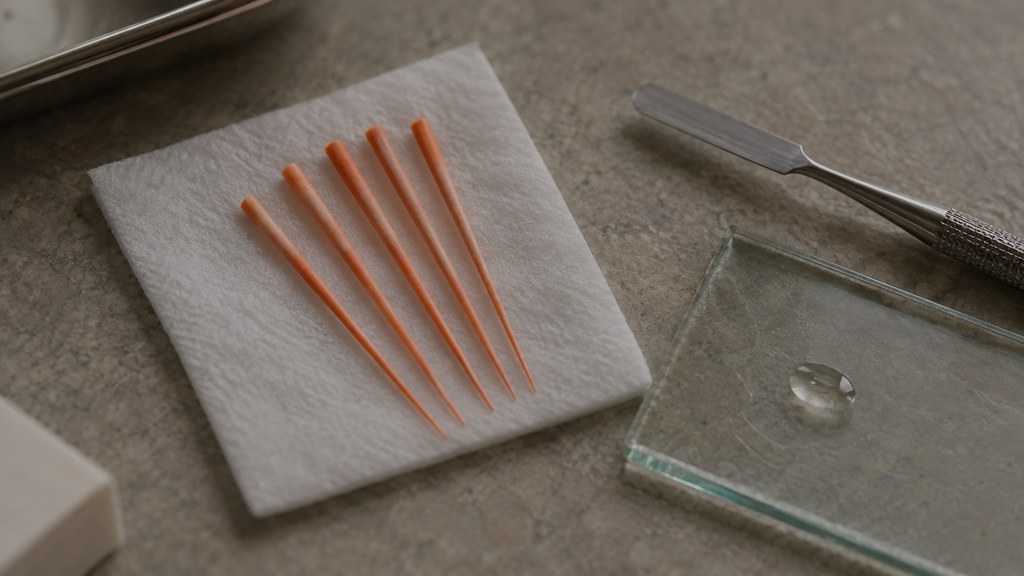
Filling and sealing
At the next stage the temporary filling is removed and the root canals are filled with a biocompatible material, usually gutta percha, and then sealed.
Sealing is what keeps bacteria and debris out of the space the pulp once occupied, and it is the step that settles whether the tooth stays quiet afterwards.
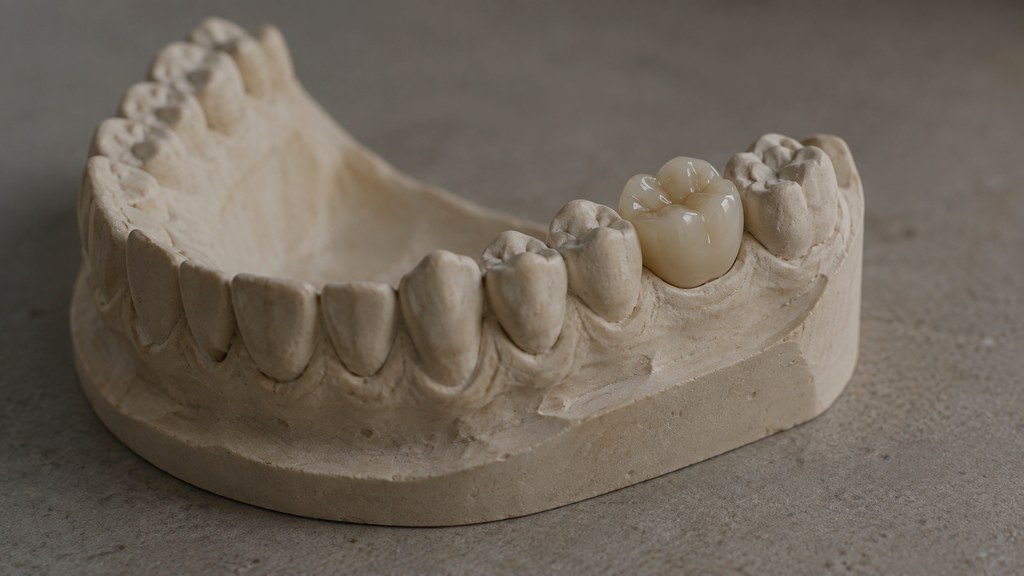
The final restoration
In the final step a crown of porcelain or metal alloy is usually placed over the tooth to restore its normal shape and size, strengthening it and improving its appearance. Crowns for this office are made with K.B. Dental Laboratory, which has worked with the practice since 1979.
As long as the root of a treated tooth is nourished by the tissues around it, the tooth can stay healthy. It can still decay, so brushing, cleaning between the teeth and regular examinations matter as much afterwards as they did before.